For every Muslim, there are a few moments in life as deeply cherished as standing before Roza-e-Rasool. It is not merely a destination in a holy city; it is the fulfilment of a lifelong prayer, a place where hearts soften, tears flow, and faith is renewed. The opportunity to send salutations to the beloved Prophet Muhammad ﷺ is a blessing that millions worldwide hope to experience at least once in their lifetimes.
Whether one is preparing for Umrah or Hajj, or simply learning about this sacred place, understanding its spiritual significance deepens one’s love for the Prophet ﷺ and appreciation for his timeless message.
What is Roza-e-Rasool?
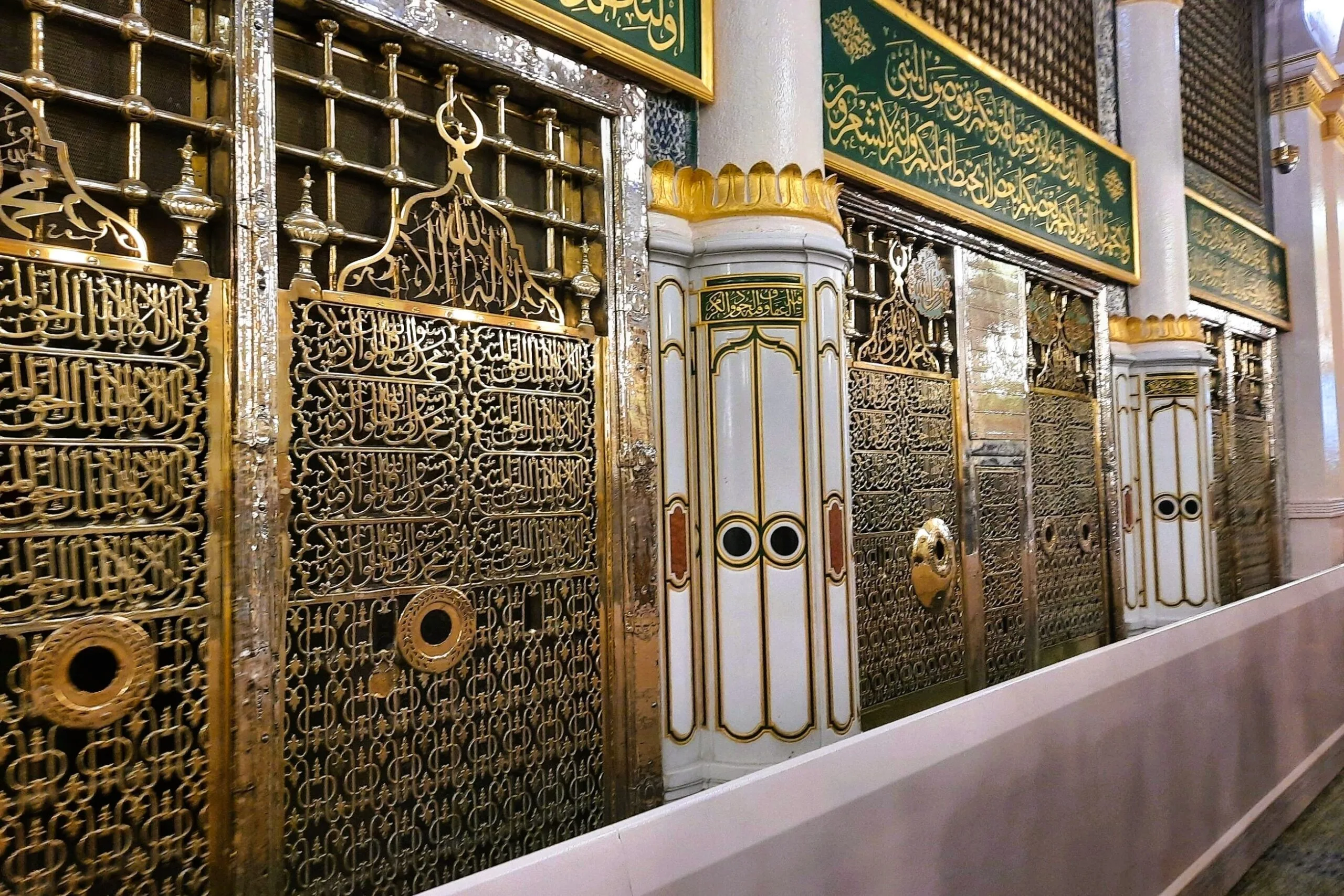
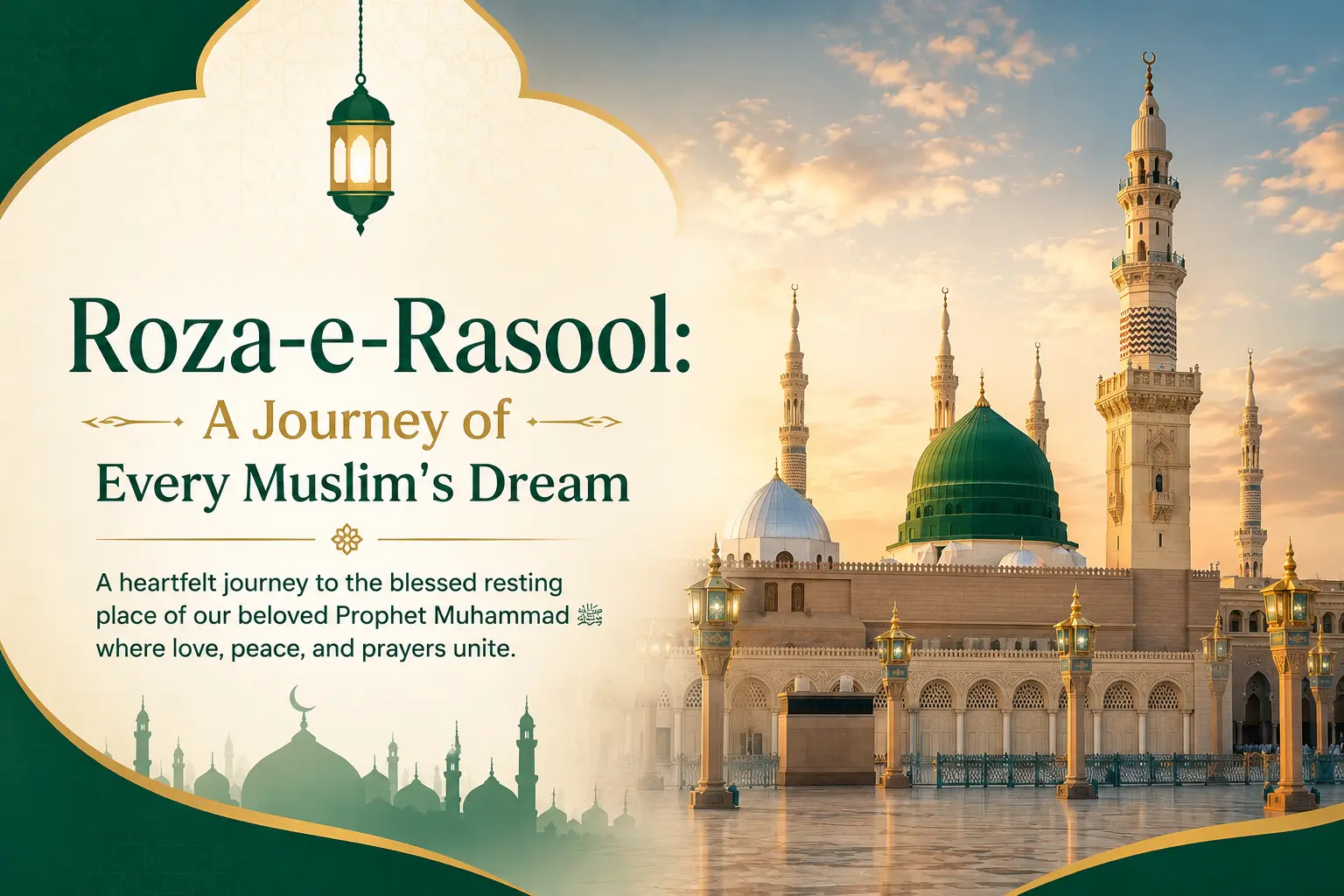
Roza-e-Rasool refers to the blessed resting place of Prophet Muhammad ﷺ, located within Al-Masjid an-Nabawi. The sacred chamber is also the burial place of Abu Bakr (RA) and Umar ibn al-Khattab (RA), two of the Prophet’s closest companions.
Visiting this blessed place is not an act of worship toward the grave but an expression of love, respect, and gratitude for the Messenger who conveyed Allah’s guidance to humanity. For countless believers, standing before Roza-e-Rasool is a moment they have long imagined.
The Spiritual Significance of the Visit
Love for the Prophet ﷺ is an essential part of a Muslim’s faith. Visiting his resting place reminds believers of his sacrifices, compassion, patience, and unwavering commitment to spreading the message of Islam.
As visitors approach the sacred chamber, many are overwhelmed by emotion. The atmosphere encourages sincere repentance, gratitude, and reflection on one’s relationship with Allah. It serves as a powerful reminder to follow the Sunnah and live in accordance with the noble character of the Prophet ﷺ.
Many pilgrims also seek to understand what hadiths are before embarking on this journey, as the Prophet’s ﷺ sayings and actions provide valuable guidance on proper etiquette, worship, and Islamic conduct.
A Brief History of Roza-e-Rasool
After the migration to Medina, the Prophet ﷺ established Al-Masjid an-Nabawi as the spiritual and social centre of the Muslim community. Adjacent to the mosque were the Prophet’s and his family’s living quarters.
Following his passing, the Prophet ﷺ was buried in the room of his wife Aisha (RA), in accordance with Islamic tradition. Over the centuries, the mosque expanded significantly under various Islamic rulers, while the sacred chamber remained carefully preserved, becoming one of the most revered locations in the Muslim world.
Preparing for the Journey
The journey to Madinah begins before arrival. Spiritual preparation is as important as physical planning. Pilgrims are urged to purify their intentions, seek forgiveness, pray, and connect with the Quran.
After preparing spiritually, many travellers choose a reliable umrah package 2026 that includes visits to both Makkah and Madinah. By offering convenient accommodation near the holy sites, reliable transportation between cities, and guided support for rituals, these packages ensure that logistics are managed. As a result, travellers can focus on their acts of worship with comfort and peace of mind, fully dedicated to the spiritual purpose of the pilgrimage.
After careful preparation, pilgrims arrive in Madinah and often feel an indescribable peace. The city’s calm recalls the Prophet’s mercy and his welcoming community.
Etiquettes of Visiting Roza-e-Rasool
Islam teaches visitors to approach Roza-e-Rasool with humility, respect, and sincerity.
Some important etiquettes include:
- Enter the mosque calmly, remembering Allah.
- Offer voluntary prayers where possible before proceeding toward the sacred chamber.
- Send greetings and salutations upon the Prophet ﷺ with respect.
- Avoid raising voices or causing inconvenience to fellow visitors.
- Follow the guidance and regulations set by the authorities responsible for the mosque.
These etiquettes ensure that every visitor contributes to the peaceful environment surrounding one of Islam’s holiest places.
Visiting the Rawdah
One of the most beloved areas within the Prophet’s Mosque is the Rawdah, described in authentic narrations as a garden from the gardens of Paradise.
Praying in the Rawdah is considered a special blessing, and many pilgrims patiently wait for the opportunity to offer voluntary prayers there. Due to the large number of visitors throughout the year, access is often organised to ensure an orderly experience for everyone.
An Emotional Experience Like No Other
Every pilgrim’s experience is unique, yet many describe similar emotions upon standing before Roza-e-Rasool. Some are overcome with tears, while others find a profound sense of peace that words cannot fully express.
For many, this visit strengthens their commitment to practising Islam with sincerity and compassion. It inspires them to improve their character, increase acts of kindness, and remain steadfast in following the teachings of the Prophet ﷺ after returning home.
Practical Tips for Visitors
A well-prepared journey allows pilgrims to focus more on worship and less on logistical concerns.
Useful tips include:
- Learn the etiquette for visiting before you arrive.
- Stay hydrated and wear comfortable, modest clothing.
- Keep essential documents and identification secure.
- Be patient during busy prayer times.
- Respect fellow worshippers regardless of their nationality or background.
Spiritual preparation is just as valuable as practical preparation.
Continuing the Journey of Knowledge
The visit to Roza-e-Rasool often motivates Muslims to continue learning about their faith after returning home. Many families strengthen their understanding of the Quran, Sunnah, and Islamic history through local study circles or Online Quran Classes UK, helping them preserve the inspiration gained during their pilgrimage.
Lessons That Stay Forever
The greatest gift of visiting Roza-e-Rasool is not simply reaching a destination but returning home with a transformed heart. The journey reminds Muslims that true success lies in following the example of the Prophet ﷺ through honesty, mercy, patience, humility, and devotion to Allah.
Every prayer offered in Madinah, every moment spent in reflection, and every greeting sent to the beloved Messenger leave a lasting imprint on the soul. Although the physical journey eventually ends, its spiritual impact continues to guide believers throughout their lives.
Conclusion
Roza-e-Rasool represents one of the most profound spiritual experiences a Muslim can have. It is a place where love for the Prophet ﷺ becomes deeply personal, where faith is renewed, and where hearts find tranquillity. For millions across the world, visiting this blessed resting place remains a lifelong aspiration and a cherished dream.
May Allah grant every Muslim the opportunity to visit the Prophet’s ﷺ blessed mosque, send salutations before Roza-e-Rasool with sincerity, and return home with stronger faith, purified hearts, and a renewed commitment to living according to the beautiful example of His beloved Messenger. Ameen.
FAQs
1. What is Roza-e-Rasool?
Roza-e-Rasool is the blessed resting place of Prophet Muhammad ﷺ, located inside Al-Masjid an-Nabawi in Madinah, Saudi Arabia. It is one of the most revered sites in Islam and is visited by millions of Muslims every year.
2. Can Muslims visit Roza-e-Rasool during Umrah?
Yes. Although visiting Roza-e-Rasool is not a compulsory part of Umrah, many pilgrims travel to Madinah after completing Umrah in Makkah to visit the Prophet’s Mosque and offer their salutations to the Prophet ﷺ.
3. What should I say when visiting Roza-e-Rasool?
Visitors are encouraged to send peace and blessings (Salam) upon Prophet Muhammad ﷺ respectfully and sincerely. It is recommended to follow authentic Islamic teachings and maintain proper etiquette while visiting.
4. Is visiting Roza-e-Rasool obligatory in Islam?
No. Visiting Roza-e-Rasool is a highly virtuous and beloved act, but it is not an obligation (fard) or a required part of Hajj or Umrah.
5. What is the best etiquette when visiting Roza-e-Rasool?
Visitors should enter the Prophet’s Mosque with humility, dress modestly, speak softly, avoid pushing through crowds, follow the mosque’s regulations, and remember Allah while sending salutations upon the Prophet Muhammad ﷺ.