
Have you ever wondered about the special supplication Muslims recite daily to seek blessings? Darood Ibrahimi stands as one of Islam’s most beautiful and powerful supplications. Muslims not only recite it every day in their prayers but also include it in daily remembrance. This special salawat conveys blessings upon Prophet Muhammad ﷺ and his family, mirroring the blessings that Allah bestowed upon Prophet Ibrahim (AS) and his family.
Reciting Darood Ibrahimi brings spiritual peace, blessings, and closeness to Allah. It is also a way to show love and respect for Prophet Muhammad ﷺ. In this article, you will learn the meaning of Darood Ibrahimi, its Arabic text, English translation, and the spiritual benefits of reciting it regularly.
What Is Darood Ibrahimi?
Darood Ibrahimi is a special prayer in which Muslims ask Allah to bless the Prophet Muhammad ﷺ and his family. The name “Ibrahimi” comes from Prophet Ibrahim (AS) because the supplication also mentions him and his family.
Muslims recite Darood Ibrahimi in the last part of Salah (prayer) after the Tashahhud. It is considered one of the most complete and beautiful ways to send blessings upon the Prophet ﷺ.
This supplication offers a lesson in gratitude and respect for the prophets of Allah. It also serves as a reminder of the strong connection between Prophet Muhammad ﷺ and Prophet Ibrahim (AS).
Importance of Darood Ibrahimi in Islam
The importance of Darood Ibrahimi is emphasised in many Islamic teachings. The Quran commands believers to send blessings upon the Prophet ﷺ. Darood is an act of worship and a sign of love for the Prophet. It also brings countless rewards for the believer. Scholars explain that sending blessings upon the Prophet ﷺ strengthens faith and increases spiritual awareness.
Darood Ibrahimi is also unique in combining blessings for both the Prophet Muhammad ﷺ and the Prophet Ibrahim (AS), underscoring the unity of the prophetic message.
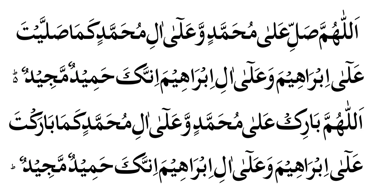
Darood Ibrahimi in Arabic
اللَّهُمَّ صَلِّ عَلَى مُحَمَّدٍ وَعَلَى آلِ مُحَمَّدٍ
كَمَا صَلَّيْتَ عَلَى إِبْرَاهِيمَ وَعَلَى آلِ إِبْرَاهِيمَ
إِنَّكَ حَمِيدٌ مَجِيدٌ
اللَّهُمَّ بَارِكْ عَلَى مُحَمَّدٍ وَعَلَى آلِ مُحَمَّدٍ
كَمَا بَارَكْتَ عَلَى إِبْرَاهِيمَ وَعَلَى آلِ إِبْرَاهِيمَ
إِنَّكَ حَمِيدٌ مَجِيدٌ
Darood Ibrahimi in English
O Allah, send Your mercy upon Muhammad and the family of Muhammad, just as You sent Your mercy upon Ibrahim and the family of Ibrahim. Surely You are Praiseworthy, Glorious.
O Allah, bless Muhammad and the family of Muhammad, just as You blessed Ibrahim and the family of Ibrahim. Surely You are Praiseworthy, Glorious.
The translation helps Muslims uncover the deep meaning of this supplication. Through it, believers are shown to be asking Allah for the same blessings for Prophet Muhammad ﷺ as were granted to Prophet Ibrahim (AS).
Spiritual Benefits of Reciting Darood Ibrahimi
Reciting Darood Ibrahimi regularly brings many spiritual benefits. Many scholars and hadiths highlight the rewards of sending blessings upon the Prophet ﷺ.
1. Brings Blessings in Life
One of the greatest benefits of Darood Ibrahimi is the blessings it brings. When a Muslim sends blessings upon the Prophet ﷺ, Allah sends blessings upon that person.
Blessings may appear in different ways: peace of mind, success, or increased faith.
2. Strengthens Love for the Prophet ﷺ
Reciting Darood Ibrahimi reminds Muslims about the importance of the Prophet Muhammad ﷺ. It strengthens love, respect, and connection with the Prophet.
This love is an essential part of faith and helps believers follow the teachings of Islam more sincerely.
3. Increases Rewards and Good Deeds
Every time a Muslim recites Darood Ibrahimi, they receive great rewards. According to Islamic teachings, sending blessings upon the Prophet brings multiple rewards and forgiveness of sins.
This simple yet profound act holds immense spiritual power and lasting benefit.
4. Brings Peace to the Heart
Many Muslims feel calm and peaceful when they recite Darood Ibrahim. Remembering Allah and sending blessings upon the Prophet creates a sense of spiritual comfort.
It helps ease burdens, uplifts the spirit, and renews hope through Allah’s boundless mercy.
5. Accepted Supplications
Islamic scholars say that reciting Darood before and after making a dua can help the supplication be accepted. This is because sending blessings upon the Prophet ﷺ is a beloved act in Islam.
For this reason, many Muslims start their prayers by reciting Darood Ibrahim.
When Should Muslims Recite Darood Ibrahimi?
Muslims can recite Darood Ibrahimi many times during the day. However, there are some special moments when it is especially recommended.
The most common time is during Salah in the final sitting after Tashahhud. It is also recommended to recite Darood on Fridays, during Dua, and whenever remembering the Prophet ﷺ.
Many people also include it in their daily remembrance after prayers or during quiet moments of reflection.
How to Make Darood Ibrahimi a Daily Habit
Making Darood Ibrahimi a daily habit can greatly benefit a Muslim’s spiritual life. One simple way is to recite it after every prayer.
Another method is to set a small goal, such as reciting it ten or twenty times daily. Over time, this habit can increase and become part of regular remembrance.
Reading Darood while walking, resting, or waiting can also help increase its recitation throughout the day.
Conclusion
Darood Ibrahimi is a transformative supplication in Islam. It encourages Muslims to send blessings upon the Prophet Muhammad ﷺ and to reflect on the legacy of Prophet Ibrahim (AS). Many students learn the recitation and meaning of the Quran through an online Quran Academy, where Islamic teachings are explained simply and authentically.
Reciting Darood Ibrahimi provides believers with spiritual rewards, inner peace, and blessings, making it a direct and effective way to reinforce faith and express love for the Prophet ﷺ.
Making this supplication a daily habit uplifts the spirit, brings comfort, and strengthens faith, encapsulating the enduring significance of Darood Ibrahimi for Muslims.
FAQs
1. What is Darood Ibrahimi?
Darood Ibrahimi is a supplication in which Muslims ask Allah to send blessings upon Prophet Muhammad ﷺ and his family, just as He blessed Prophet Ibrahim (AS) and his family.
2. Where is Darood Ibrahimi recited in Salah?
Darood Ibrahimi is recited in the last sitting of Salah after the Tashahhud and before ending the prayer.
3. What are the benefits of reciting Darood Ibrahimi?
Reciting Darood Ibrahimi brings blessings, increases rewards, strengthens love for the Prophet ﷺ, and brings peace to the heart.
4. Can Muslims recite Darood Ibrahimi outside of prayer?
Yes, Muslims can recite Darood Ibrahimi at any time during the day, especially during dua, on Fridays, or during remembrance of Allah.
5. Why is Darood Ibrahimi important in Islam?
Darood Ibrahimi is important because it follows the command of Allah to send blessings upon the Prophet ﷺ and it brings great spiritual rewards for believers.